Diving into the intricate relationship between gut health and brain performance, this introduction sets the stage for a fascinating exploration of how our digestive system impacts cognitive function. From the subtle interactions between the gut and brain to the profound effects of an unhealthy gut on memory and mental clarity, this topic delves into a crucial yet often overlooked aspect of overall well-being.
As we unravel the complexities of the gut-brain axis and its implications on our daily lives, a deeper understanding of the role of gut microbiota in shaping brain health emerges, shedding light on the interconnectedness of our bodily systems.
Introduction to Gut-Brain Connection
The gut-brain axis is a complex bidirectional communication system between the gut and the brain.
Through this axis, the gut and brain are in constant communication, sending signals and influencing each other's functions.
Optimal gut health is crucial for overall well-being, as it impacts not only digestion but also mood, cognitive function, and even behavior.
Impact of Gut Health on Brain Performance
Maintaining good gut health is crucial for optimal brain performance. The gut-brain connection plays a significant role in influencing cognitive functions and overall mental well-being.
Effects of Gut Health on Cognitive Functions
- An unhealthy gut can lead to inflammation, which may affect the brain and impair cognitive functions.
- Imbalances in gut bacteria can disrupt the production of neurotransmitters, such as serotonin and dopamine, which are essential for mood regulation and cognitive processes.
- Poor gut health has been linked to conditions like anxiety, depression, and even neurodegenerative diseases.
Brain Fog and Memory Issues
- An imbalanced gut microbiota can contribute to brain fog, making it difficult to concentrate, think clearly, and remember information.
- Studies have shown that individuals with gut dysbiosis often experience memory issues and cognitive decline.
- Chronic gut inflammation can impair the blood-brain barrier, allowing harmful substances to reach the brain and disrupt its normal functions.
Role of Gut Microbiota in Brain Health
- The gut microbiota plays a crucial role in producing neurotransmitters and regulating the immune system, both of which are vital for brain health.
- Healthy gut bacteria support the production of short-chain fatty acids, which have anti-inflammatory properties and promote brain function.
- Imbalances in gut microbiota have been linked to various neurological disorders, highlighting the importance of maintaining a healthy gut for optimal brain performance.
Factors Influencing Gut Health
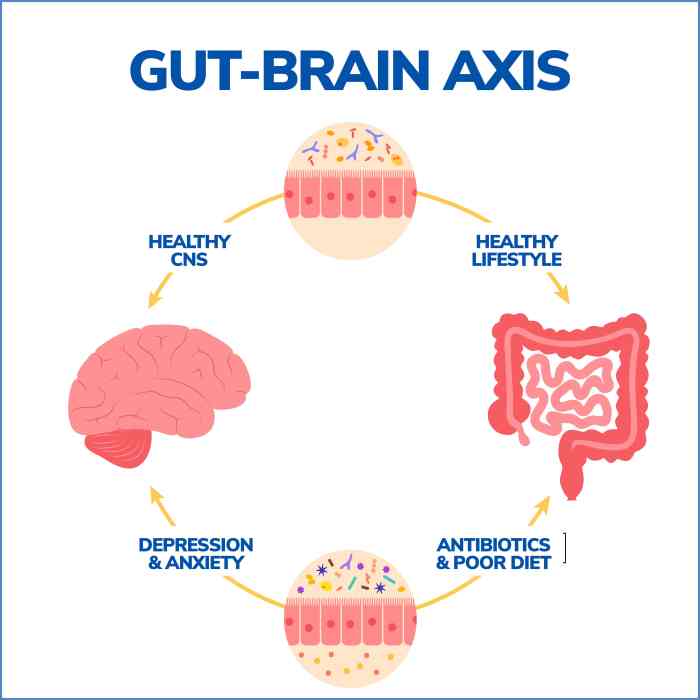
Maintaining a healthy gut microbiome involves various factors that play a crucial role in overall well-being. Factors such as diet, lifestyle choices, and stress management all contribute to the balance of gut health and can impact brain performance.
Impact of Diet on Gut Health and Brain Performance
A balanced diet rich in fiber, fruits, vegetables, and probiotics is essential for promoting a healthy gut microbiome. Probiotic-rich foods like yogurt and kimchi help maintain a diverse gut flora, which in turn can positively influence brain function. On the other hand, diets high in processed foods, sugar, and unhealthy fats can disrupt the gut microbiome, leading to inflammation and cognitive issues.
- Include lean proteins, whole grains, and a variety of colorful fruits and vegetables in your diet to support gut health and cognitive function.
- Limit intake of sugary snacks, processed foods, and artificial additives that can negatively impact the gut-brain axis.
- Stay hydrated and consume plenty of water to aid digestion and promote a healthy gut environment.
Impact of Lifestyle Choices on Gut Health
Stress management is another crucial factor that influences gut health and brain performance. Chronic stress can disrupt the balance of gut bacteria, leading to digestive issues and cognitive impairment. Incorporating stress-relieving activities such as meditation, exercise, and adequate sleep can help maintain a healthy gut-brain connection.
Practicing mindfulness techniques like deep breathing or yoga can reduce stress levels and promote a balanced gut microbiome.
- Engage in regular physical activity to reduce stress and improve overall gut health.
- Prioritize quality sleep to allow your body to rest and recover, supporting optimal gut function and cognitive abilities.
- Avoid excessive alcohol consumption and smoking, as these habits can negatively impact gut health and cognitive performance.
Strategies to Improve Gut Health for Better Brain Function
Maintaining a healthy gut is crucial for optimal brain performance. By making specific dietary changes and incorporating probiotics and prebiotics, you can enhance your gut-brain connection and support cognitive function.
Dietary Changes for a Healthy Gut-Brain Connection
- Include plenty of fiber-rich foods in your diet, such as fruits, vegetables, whole grains, and legumes. Fiber helps promote the growth of beneficial bacteria in the gut.
- Limit processed foods high in sugar and unhealthy fats, as they can disrupt the balance of gut bacteria and negatively impact brain function.
- Incorporate fermented foods like yogurt, kefir, kimchi, and sauerkraut, which contain probiotics that support gut health.
Importance of Probiotics and Prebiotics for Gut Health
- Probiotics are live beneficial bacteria that can help restore and maintain a healthy balance of gut flora, leading to improved digestion and absorption of nutrients.
- Prebiotics are non-digestible fibers that serve as food for probiotics, promoting their growth and activity in the gut.
- Combining probiotics and prebiotics in your diet can help optimize gut health and support brain function.
Tips for Maintaining a Balanced Gut Microbiome
- Stay hydrated by drinking an adequate amount of water daily, as hydration is essential for maintaining a healthy gut.
- Manage stress levels through relaxation techniques like meditation, yoga, or deep breathing exercises, as stress can negatively impact gut health.
- Get regular exercise to promote healthy digestion and overall gut function, which can positively influence brain performance.
Ending Remarks
In conclusion, the discussion on how gut health influences brain performance reveals a compelling narrative of the significance of maintaining a healthy gut microbiome for optimal cognitive function. By implementing strategies to improve gut health, we pave the way for enhanced brain performance and overall well-being, underscoring the vital importance of nurturing our gut-brain connection.
Quick FAQs
How does gut health impact memory?
Gut health can influence memory through its effects on cognitive functions. An unhealthy gut can lead to brain fog and memory issues.
What role do probiotics play in improving brain performance?
Probiotics support gut health, which in turn can enhance brain function by promoting a balanced gut microbiome.
Can stress affect gut health and brain performance?
Yes, stress can negatively impact gut health, which may in turn affect brain performance due to the gut-brain connection.