As we delve into the realm of Disability insurance for workplace safety, we uncover a vital aspect of employee well-being and financial security. This insurance serves as a crucial safety net, offering protection to both employees and employers in the event of unforeseen circumstances.
Let's explore the intricacies of this essential coverage and its significance in today's workplace landscape.
Overview of Disability Insurance for Workplace Safety
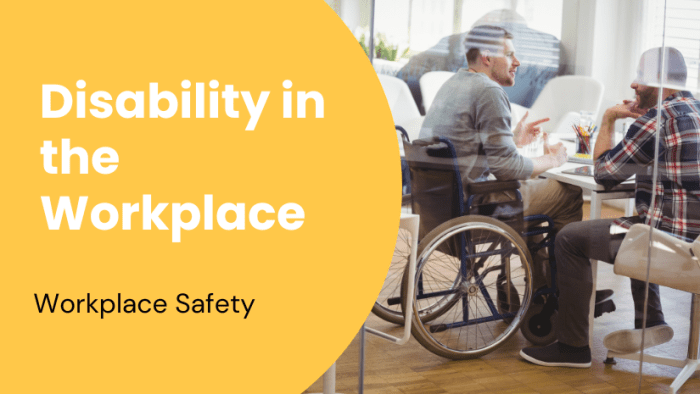
Disability insurance in the context of workplace safety refers to a type of coverage that provides financial protection to employees who are unable to work due to injury or illness sustained on the job. It is designed to replace a portion of the employee's income if they become temporarily or permanently disabled.
Disability insurance is essential for both employees and employers. For employees, it offers peace of mind knowing that they will still have a source of income if they are unable to work due to a work-related injury or illness. This financial support can help cover medical expenses, bills, and other necessities during a difficult time.
For employers, disability insurance helps protect their workforce and business by ensuring that employees are taken care of in case of an unexpected disability.
How Disability Insurance Helps Protect Workers
- Provides financial support: Disability insurance ensures that employees continue to receive a portion of their income if they are unable to work due to a disability.
- Medical coverage: Some disability insurance policies may also provide coverage for medical expenses related to the disability.
- Job security: By offering disability insurance, employers can help retain valuable employees who may otherwise be forced to leave the workforce due to a disability.
- Peace of mind: Knowing that they have financial protection in place can alleviate stress for employees facing a disability, allowing them to focus on their recovery.
Types of Disability Insurance
When it comes to workplace safety, there are different types of disability insurance that employees can benefit from. Two common types are short-term disability insurance and long-term disability insurance, each serving a specific purpose in protecting employees.
Short-Term Disability Insurance
Short-term disability insurance provides coverage for a limited period of time, typically ranging from a few weeks to a few months. It is designed to replace a portion of an employee's income if they are unable to work due to a temporary disability, such as recovering from surgery or an injury.
This type of insurance ensures that employees can still receive income during their recovery period.
Long-Term Disability Insurance
In contrast, long-term disability insurance offers coverage for an extended period, often lasting several years or even until retirement age. It comes into play when an employee is facing a more serious and long-lasting disability that prevents them from working for an extended period.
Long-term disability insurance provides financial support to employees who are unable to return to work due to a permanent disability.
Benefits of Disability Insurance
Having disability insurance in place for workplace safety offers numerous benefits for both employees and employers alike. In the unfortunate event of an employee becoming disabled and unable to work, disability insurance can provide financial support and peace of mind during challenging times.
Financial Support During Inability to Work
- Disability insurance ensures that employees continue to receive a portion of their income while they are unable to work due to a disability.
- It helps cover essential expenses such as medical bills, mortgage or rent payments, and daily living costs.
- Having this financial support can prevent employees from facing financial hardships during periods of disability.
Peace of Mind for Employees and Employers
- Employees can feel secure knowing that they have a safety net in place if they are unable to work due to a disability.
- Knowing that they have financial support can reduce stress and anxiety for employees and their families.
- Employers benefit from disability insurance as well, as it helps them support their employees through difficult times, fostering loyalty and trust within the workforce.
Process of Obtaining Disability Insurance
When it comes to obtaining disability insurance for workplace safety, there are specific steps that employees need to follow to ensure they have the coverage they need in case of an accident or injury.To apply for disability insurance, employees should follow a checklist to make sure they have all the necessary information and documentation ready for the application process.
Here is a guide to help employees navigate the process smoothly:
Checklist for Applying for Disability Insurance
- Gather personal information such as name, address, social security number, and contact details.
- Provide details of your current employment status, including job title, responsibilities, and salary.
- Have a list of any pre-existing medical conditions or disabilities that may impact your coverage.
- Prepare documentation from healthcare providers regarding any existing medical conditions or recent injuries.
- Understand the waiting period and coverage details of the disability insurance policy you are applying for.
Specific Requirements for the Application Process
- Proof of income to determine the amount of disability benefits you are eligible for.
- Medical records and reports to support your disability claim.
- Completion of any required forms or questionnaires provided by the insurance provider.
- Any additional documentation requested by the insurance company to verify your eligibility.
Disability Insurance Coverage and Limitations
Disability insurance provides coverage for individuals who are unable to work due to a disability resulting from workplace injuries or illnesses. However, there are certain limitations and exclusions that may apply to disability insurance coverage.
Coverage Details
Disability insurance typically covers a percentage of the individual's income if they are unable to work due to a qualifying disability. This coverage can help replace lost income and provide financial stability during a difficult time.
Limitations and Exclusions
There are certain limitations and exclusions that may apply to disability insurance coverage. For example, pre-existing conditions may not be covered under a disability insurance policy. Additionally, disabilities resulting from self-inflicted injuries or illegal activities may also be excluded from coverage.
Scenarios Where Coverage May Not Apply
- If the disability is not severe enough to meet the policy's definition of a qualifying disability, coverage may not apply.
- If the disability is temporary and does not result in a long-term inability to work, coverage may not be provided.
- If the disability is not directly related to a workplace injury or illness, it may not be covered under a disability insurance policy.
Last Point
In conclusion, Disability insurance for workplace safety stands as a cornerstone of support for individuals facing health challenges in the workplace. By providing financial security and peace of mind, this type of insurance ensures that employees can navigate difficult times with resilience and confidence.
As we continue to prioritize workplace safety and employee welfare, understanding the nuances of disability insurance remains paramount.
Essential Questionnaire
What does disability insurance cover?
Disability insurance typically covers a portion of an employee's income if they are unable to work due to a covered illness or injury.
Is disability insurance mandatory for employers to provide?
Disability insurance is not usually mandated by law for employers to provide, but it can be a valuable benefit offered to employees.
How does long-term disability insurance differ from short-term disability insurance?
Short-term disability insurance provides coverage for a limited period, usually up to a few months, while long-term disability insurance covers an extended period, sometimes until retirement age.