Delving into Best digital health apps in 2025, this introduction immerses readers in a unique and compelling narrative. The landscape of digital health apps is rapidly evolving, with key advancements and trends shaping the industry. From personalized healthcare solutions to cutting-edge technologies like AI and IoT, these apps are revolutionizing healthcare delivery and patient outcomes.
Overview of Digital Health Apps in 2025
Digital health apps in 2025 have revolutionized the way healthcare is delivered and managed. These apps have seen significant advancements and trends that are shaping the industry, leading to improved patient outcomes and increased access to healthcare services.
Key Advancements and Trends
- Integration of Artificial Intelligence (AI) and Machine Learning: Digital health apps now utilize AI algorithms to provide personalized healthcare recommendations and predictive analytics for early disease detection.
- Telemedicine Expansion: Telemedicine features have become more robust, allowing patients to have virtual consultations with healthcare providers, access medical records, and receive prescriptions through the app.
- Wearable Technology Integration: Digital health apps now seamlessly sync with wearable devices to track vital signs, activity levels, and overall health metrics in real-time.
- Focus on Mental Health: There is a growing emphasis on mental health support within digital health apps, offering features like mindfulness exercises, therapy sessions, and mood tracking tools.
Impact on Healthcare Delivery and Patient Outcomes
- Improved Access to Care: Digital health apps have bridged the gap between patients and healthcare providers, especially in remote or underserved areas, ensuring timely access to medical advice and interventions.
- Enhanced Patient Engagement: Patients are more engaged in their healthcare journey through the use of digital health apps, leading to better adherence to treatment plans, medication schedules, and lifestyle modifications.
- Cost Savings: By reducing unnecessary hospital visits and streamlining healthcare processes, digital health apps have contributed to cost savings for both patients and healthcare systems.
- Enhanced Data Collection: Healthcare providers can collect real-time data from patients through digital health apps, enabling better monitoring of chronic conditions, personalized treatment plans, and proactive interventions.
Emerging technologies in digital health apps
In 2025, digital health apps are leveraging cutting-edge technologies to revolutionize the healthcare industry. These technologies, such as AI, IoT, and blockchain, are transforming the way we access and receive healthcare services through mobile applications.
Artificial Intelligence (AI) in Digital Health Apps
- AI-powered chatbots providing personalized medical advice and support to users.
- Machine learning algorithms analyzing vast amounts of health data to predict and prevent diseases.
- Virtual health assistants guiding patients through their treatment plans and medication schedules.
Internet of Things (IoT) in Digital Health Apps
- Wearable devices tracking vital signs and health metrics in real-time, sending data directly to healthcare providers.
- Smart home devices monitoring patients' well-being and alerting caregivers in case of emergencies.
- IOT-enabled medical devices ensuring medication adherence and remote patient monitoring.
Blockchain Technology in Digital Health Apps
- Secure storage and sharing of electronic health records, ensuring data privacy and integrity.
- Streamlined claims processing and billing management for healthcare providers and insurance companies.
- Transparent and tamper-proof supply chain management for pharmaceuticals and medical devices.
User Experience and Interface Design
User experience plays a crucial role in the success of digital health apps. It involves how users interact with the app, how easy it is to navigate, and how engaging and satisfying the overall experience is. A well-designed user interface can significantly impact user engagement and adherence to the app.
Importance of User Experience
User experience in digital health apps is essential as it directly affects user satisfaction, retention, and ultimately, the effectiveness of the app. A seamless and intuitive user experience can make it easier for individuals to track their health data, follow treatment plans, and stay motivated to achieve their health goals.
- Personalization: Tailoring the app to individual user needs and preferences can enhance the overall user experience. This can include customizable settings, personalized health recommendations, and targeted content delivery.
- Accessibility: Ensuring that the app is accessible to users of all abilities is crucial for inclusivity. Features such as voice commands, text-to-speech options, and adjustable font sizes can improve accessibility for a wider range of users.
- Visual Design: The visual appeal of the app, including color schemes, typography, and imagery, can impact user engagement. A clean and visually appealing interface can make the app more inviting and encourage users to interact more frequently.
Data privacy and security measures
Data privacy and security are crucial aspects of digital health apps to protect sensitive user information. These measures ensure that personal health data is kept confidential and safe from unauthorized access or breaches.
Encryption and Secure Transmission
One common approach to safeguarding sensitive health information is through encryption and secure transmission protocols. This involves encoding data to prevent unauthorized parties from reading it and ensuring that data is securely transmitted between devices and servers.
Access Control and Authentication
Another important measure is implementing access control and authentication mechanisms. This includes user authentication processes like passwords, biometrics, or two-factor authentication to verify users' identities and control access to data based on permissions.
Regulations and Compliance
Regulations such as HIPAA (Health Insurance Portability and Accountability Act) in the United States play a significant role in protecting user data by setting standards for privacy and security practices in digital health apps. Compliance with these regulations is essential to ensure that user data is handled responsibly and securely.
Personalized healthcare solutions
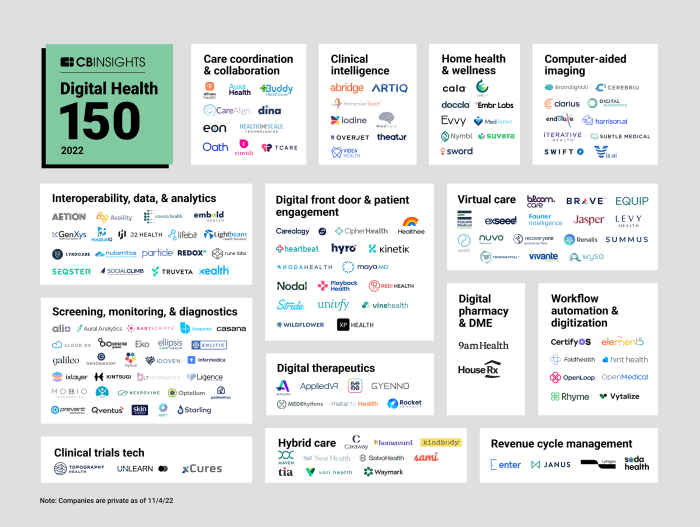
The digital health apps in 2025 have revolutionized the way personalized healthcare solutions are delivered to individuals. By leveraging advanced technologies and data analytics, these apps are able to tailor interventions based on each user's unique health profile and needs.
Example Apps Utilizing Personalized Data
- 1. Medisafe: This app uses personalized data to remind users to take their medications on time, based on their specific prescription schedules and medical conditions.
- 2. Fitbit: Fitbit tracks users' activity levels, sleep patterns, and heart rate to provide personalized recommendations for exercise and sleep improvement.
- 3. MyFitnessPal: By collecting data on users' dietary habits and fitness goals, MyFitnessPal offers personalized meal plans and exercise routines to help individuals achieve their health objectives.
Potential Impact on Patient Outcomes
Personalized healthcare solutions offered by digital health apps have the potential to significantly improve patient outcomes. By tailoring interventions to meet the specific needs of each individual, these apps can enhance treatment adherence, optimize health management strategies, and ultimately lead to better health outcomes for users.
Remote Monitoring and Telemedicine
Remote monitoring and telemedicine features play a crucial role in digital health apps by allowing users to connect with healthcare providers remotely. These features enable individuals to receive medical advice, consultations, and even monitoring of their health conditions from the comfort of their own homes.
This convenience has revolutionized the way healthcare services are accessed and delivered.
Improved Access to Healthcare Services
- Remote monitoring and telemedicine features have significantly improved access to healthcare services, especially for individuals living in rural or underserved areas.
- Patients no longer need to travel long distances to see a doctor, saving time and reducing the burden on healthcare facilities.
- These features also benefit individuals with mobility issues or those who are unable to leave their homes easily.
Effectiveness in Managing Chronic Conditions
- Remote monitoring has proven to be highly effective in managing chronic conditions such as diabetes, hypertension, and heart disease.
- Patients can track their vital signs, medication adherence, and symptoms regularly, allowing healthcare providers to intervene early if necessary.
- Continuous monitoring helps in preventing complications and hospitalizations, leading to better health outcomes for individuals with chronic conditions.
Closing Notes
In conclusion, the future of healthcare lies in the innovative realm of digital health apps. With user experience design, data privacy measures, and remote monitoring features, these apps are poised to transform the way we approach healthcare. Embracing the potential benefits and challenges of emerging technologies, the landscape of healthcare in 2025 is set to be reshaped by these groundbreaking advancements.
FAQ Guide
Question: How do digital health apps in 2025 ensure data privacy and security?
Answer: Digital health apps employ various measures such as encryption, secure servers, and compliance with regulations like GDPR to safeguard user data.
Question: What impact do personalized healthcare solutions have on patient outcomes?
Answer: Personalized healthcare solutions lead to better treatment adherence, customized interventions, and improved patient outcomes due to tailored care.
Question: How do remote monitoring and telemedicine features improve access to healthcare services?
Answer: Remote monitoring and telemedicine features enable patients to receive care from a distance, enhancing accessibility and convenience, especially for individuals with chronic conditions.