Delving into the realm of global employer-sponsored health benefits, this introduction aims to captivate readers with insights that shed light on this crucial aspect of employee well-being and corporate strategy.
In the following paragraphs, we will explore the different facets of employer-sponsored health benefits worldwide, from types and impacts to cost considerations and regulatory challenges.
Overview of Employer-Sponsored Health Benefits Worldwide
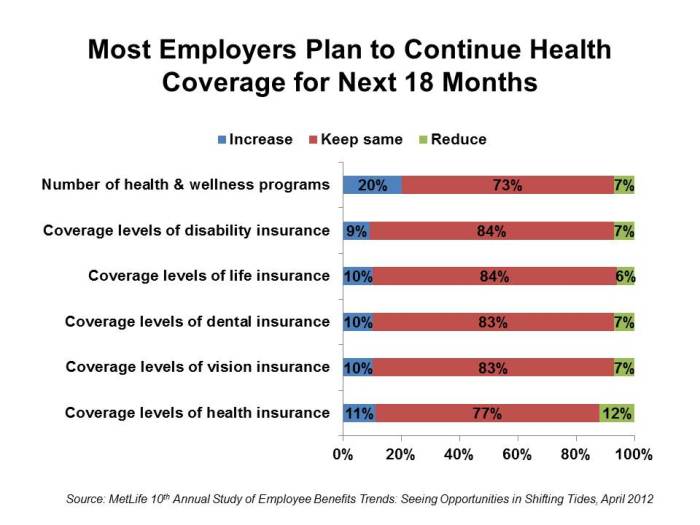
Employer-sponsored health benefits refer to healthcare coverage provided by employers to their employees as part of their overall compensation package. These benefits aim to ensure that employees have access to necessary medical services and treatments without facing significant financial burdens.
Countries with Common Employer-Sponsored Health Benefits
In countries like the United States, Canada, the United Kingdom, Germany, and Japan, it is common for employers to offer health insurance plans as part of their employee benefits package. These plans may cover various medical expenses, such as doctor visits, hospital stays, prescription medications, and preventive care services.
Importance of Employer-Sponsored Health Benefits
- Improving Employee Health: By providing access to healthcare services, employers can help employees maintain their health and well-being, leading to increased productivity and reduced absenteeism.
- Attracting and Retaining Talent: Offering competitive health benefits can help employers attract top talent and retain skilled employees in a competitive job market.
- Cost Savings: Preventive care and early intervention can help reduce healthcare costs for both employees and employers by addressing health issues before they escalate.
- Legal Compliance: In some countries, employers may be required by law to provide health benefits to their employees to comply with labor regulations and ensure worker protection.
Types of Employer-Sponsored Health Benefits
Employers worldwide offer a variety of health benefits to their employees as part of their overall compensation package. These benefits play a crucial role in attracting and retaining top talent, as well as promoting employee well-being and productivity.
Health Insurance Coverage
Health insurance coverage is one of the most common types of health benefits offered by employers globally. This can include medical, dental, and vision insurance, providing employees with access to healthcare services and treatments. The scope of coverage can vary, with some plans offering comprehensive benefits while others may have more limited coverage.
Wellness Programs
Many companies are now incorporating wellness programs into their employee benefits package. These programs often include initiatives such as gym memberships, nutrition counseling, mental health resources, and fitness challenges. By promoting a healthy lifestyle, employers aim to reduce healthcare costs and improve overall employee well-being.
Telemedicine Services
With the rise of technology, telemedicine services have become increasingly popular among employers. This allows employees to consult with healthcare providers remotely, saving time and money on traditional doctor visits. Telemedicine services are particularly beneficial for employees in remote locations or with busy schedules.
Flexible Spending Accounts (FSAs)
Flexible Spending Accounts (FSAs) are another common type of health benefit offered by employers. FSAs allow employees to set aside pre-tax dollars to pay for eligible medical expenses, such as co-pays, deductibles, and prescription medications. This helps employees save money on healthcare costs while also providing tax benefits.
Mental Health Support
In recent years, there has been a growing focus on mental health support in the workplace. Employers are increasingly offering mental health benefits such as counseling services, mental health days, and employee assistance programs. This shift reflects a greater awareness of the importance of mental health and well-being in the workplace.
Impact of Employer-Sponsored Health Benefits on Employee Retention

Employer-sponsored health benefits play a crucial role in influencing employee retention rates. When companies offer comprehensive health packages, employees are more likely to stay with the organization for the long term.
Influence of Health Benefits on Retention Rates
Research has shown that employees who have access to quality health benefits are more satisfied with their jobs and are less likely to seek opportunities elsewhere. In fact, a study conducted by the Society for Human Resource Management found that 92% of employees consider health insurance a crucial factor in deciding whether to stay with their current employer.
- Health benefits contribute to overall job satisfaction, leading to higher retention rates.
- Employees feel valued and cared for when offered comprehensive health coverage, which boosts loyalty to the company.
- Access to preventive care and wellness programs can improve employee health and productivity, reducing absenteeism and turnover.
Competitive Benefits Packages for Talent Attraction and Retention
Companies that provide competitive health benefits packages have a significant advantage in attracting and retaining top talent in the industry. These benefits not only help in retaining existing employees but also serve as a powerful recruitment tool.
- Offering a diverse range of health benefits, such as medical, dental, vision, and mental health coverage, can cater to the diverse needs of employees.
- Additional perks like gym memberships, wellness stipends, and telemedicine services can enhance the overall attractiveness of the benefits package.
- Employers who prioritize employee well-being demonstrate a commitment to their workforce, fostering a positive employer-employee relationship that leads to higher retention rates.
Cost Considerations for Employers Providing Health Benefits
Employers offering health benefits face significant financial implications due to the rising costs of healthcare services. These costs can vary based on the region, industry, and the specific benefits provided to employees.
Regional Disparities in Health Benefit Costs
In regions with higher healthcare costs, such as the United States, employers may need to allocate a larger portion of their budget to provide comprehensive health benefits to employees. On the other hand, in countries with universal healthcare systems, employers may have lower costs associated with providing health benefits.
Industry Variances in Health Benefit Costs
Certain industries, such as healthcare or manufacturing, may have higher health benefit costs compared to others due to the nature of the work and associated health risks. Employers in these industries may need to invest more in employee health and wellness programs to manage these costs effectively.
Strategies for Managing Healthcare Costs
Employers can implement various strategies to manage and reduce healthcare costs while maintaining quality benefits for employees. This may include negotiating with healthcare providers for lower rates, promoting preventive care to reduce long-term expenses, and offering wellness programs to improve employee health and reduce healthcare utilization.
Regulatory Environment and Compliance Challenges
Employer-sponsored health benefits are subject to a complex regulatory landscape globally, with each country having its own set of rules and requirements. It is crucial for employers to navigate these regulations effectively to ensure compliance and avoid potential penalties or legal issues.
Global Regulatory Landscape
- In the United States, the Affordable Care Act (ACA) mandates certain requirements for employer-sponsored health benefits, such as coverage for pre-existing conditions and essential health benefits.
- In the European Union, employers must adhere to the General Data Protection Regulation (GDPR) when handling employee health data as part of their benefits programs.
- In Japan, the Industrial Safety and Health Act regulates workplace health and safety, impacting the health benefits that employers must provide to their employees.
Common Compliance Challenges
- One common challenge faced by employers is ensuring that their health benefit plans comply with changing regulations and updates, requiring frequent reviews and updates to stay compliant.
- Managing the administrative burden of regulatory compliance can be overwhelming, especially for multinational companies operating in multiple jurisdictions with varying requirements.
- Interpreting complex regulations accurately and implementing them effectively without errors poses a significant challenge for many employers.
Importance of Compliance
- Staying compliant with healthcare regulations is essential to protect both employees and employers, ensuring that employees receive the benefits they are entitled to and avoiding legal repercussions for non-compliance.
- Non-compliance can result in hefty fines, legal disputes, damage to reputation, and even the suspension of business operations in extreme cases, highlighting the critical importance of adherence to regulations.
- By proactively addressing compliance challenges and staying informed about regulatory changes, employers can mitigate risks and maintain a positive relationship with their workforce.
Employee Wellness Programs as Part of Health Benefits
Employee wellness programs play a crucial role in enhancing the overall health and well-being of employees within the framework of employer-sponsored health benefits. These programs are designed to promote a healthy lifestyle, prevent illness, and improve the physical and mental health of employees, ultimately leading to increased productivity and job satisfaction.
Examples of Successful Wellness Initiatives
- Company A implemented a fitness challenge where employees were encouraged to track their steps and engage in physical activities. This initiative not only improved employee health but also fostered a sense of camaraderie among team members.
- Company B offered healthy eating workshops and cooking classes to educate employees on nutrition and make healthier food choices. As a result, employees reported increased energy levels and a reduction in sick days.
- Company C introduced mindfulness and stress management programs to help employees cope with work-related stress and improve their mental well-being. This initiative led to a decrease in absenteeism and an increase in employee engagement.
Benefits of Promoting Employee Well-Being
- Improved Employee Health: Wellness programs can help employees adopt healthier lifestyles, leading to reduced healthcare costs for employers and lower absenteeism rates.
- Enhanced Job Satisfaction: By investing in employee well-being, companies can boost morale, increase job satisfaction, and create a positive work environment.
- Increased Productivity: Healthy and happy employees are more productive, focused, and motivated in their roles, ultimately benefiting the company's bottom line.
- Competitive Advantage: Companies that prioritize employee wellness are viewed favorably by job seekers and can attract and retain top talent in a competitive labor market.
Closing Summary
In conclusion, the discussion on employer-sponsored health benefits worldwide unveils a complex landscape where employee retention, financial implications, and regulatory compliance intersect to shape the future of work benefits.
Key Questions Answered
What are the common types of employer-sponsored health benefits?
Employer-sponsored health benefits typically include medical insurance, dental coverage, vision care, and wellness programs.
How do health benefits impact employee retention?
Health benefits can significantly influence employee retention rates by fostering loyalty and satisfaction among employees.
What are the key cost considerations for employers providing health benefits?
Employers need to consider the financial implications of offering health benefits, including costs of premiums, administration, and healthcare inflation.
What are the common compliance challenges faced by employers in the regulatory environment?
Employers often encounter challenges related to legal requirements, reporting obligations, and ensuring compliance with healthcare regulations.
How do employee wellness programs contribute to health benefits packages?
Employee wellness programs play a vital role in promoting overall well-being, reducing healthcare costs, and enhancing employee productivity.