Mental health awareness campaigns worldwide set the stage for a comprehensive exploration of a crucial topic that impacts individuals globally. From successful campaigns in different countries to the strategies implemented and the impact assessment of these initiatives, this narrative delves into the multifaceted world of mental health awareness with depth and insight.
Overview of Mental Health Awareness Campaigns Worldwide

Mental health awareness campaigns play a crucial role in educating the public about mental health issues, reducing stigma, and promoting overall well-being. These campaigns aim to increase understanding, empathy, and support for individuals struggling with mental health challenges.
Examples of Successful Mental Health Awareness Campaigns
- United Kingdom: The "Time to Change" campaign focuses on changing attitudes towards mental health and has been successful in encouraging open conversations and reducing discrimination.
- Canada: The "Bell Let's Talk" campaign raises funds for mental health initiatives and challenges the stigma surrounding mental health through social media engagement.
- Australia: The "R U OK?" campaign encourages people to check in on the mental health of others and promotes meaningful conversations to support those in need.
Impact of Mental Health Awareness Campaigns
These campaigns have had a significant impact on reducing stigma associated with mental health conditions and encouraging individuals to seek help when needed. By fostering open discussions and providing resources, mental health awareness campaigns have contributed to a more supportive and understanding community for those facing mental health challenges.
Strategies Implemented in Mental Health Awareness Campaigns
Mental health awareness campaigns utilize various strategies to reach diverse populations and raise awareness about mental health issues. These strategies include social media, events, partnerships, and advocacy efforts. Each strategy plays a crucial role in educating the public, reducing stigma, and promoting mental well-being.
Social Media
- Social media platforms like Facebook, Twitter, and Instagram are used to share information, resources, and personal stories related to mental health.
- Hashtags campaigns, live chats, and online forums provide a space for individuals to connect, seek support, and access mental health resources.
- Targeted advertising and sponsored posts help reach specific demographics and engage a wider audience in conversations about mental health.
Events
- Workshops, seminars, and community events are organized to educate the public about mental health, coping strategies, and available resources.
- Mental health awareness walks, fundraisers, and conferences bring people together to raise funds, support mental health initiatives, and foster a sense of community.
- Collaborations with local organizations, schools, and businesses help spread awareness and promote mental health literacy in different settings.
Partnerships
- Collaborations with mental health organizations, healthcare providers, and advocacy groups strengthen the impact of awareness campaigns and amplify their reach.
- Celebrity endorsements, influencer partnerships, and corporate sponsorships help increase visibility and engagement with mental health messages.
- Cross-sector partnerships with government agencies, non-profits, and media outlets facilitate the development and implementation of comprehensive mental health initiatives.
Advocacy
- Advocacy efforts focus on promoting policies, legislation, and initiatives that support mental health awareness, access to care, and destigmatization of mental illness.
- Grassroots advocacy campaigns empower individuals to advocate for themselves and others, raising their voices to drive change and improve mental health services.
- Campaigns that highlight the importance of mental health parity and equity advocate for fair treatment and access to mental health services for all individuals.
Target Audiences and Segmentation in Mental Health Campaigns
When it comes to mental health awareness campaigns, it is crucial to identify different target audiences to effectively reach and engage with specific demographics. Tailoring messages and initiatives to these audiences can make a significant impact in raising awareness and promoting mental well-being.
Youth
One important target audience for mental health campaigns is youth
Elderly
The elderly population is another important audience for mental health campaigns. Issues such as loneliness, grief, and isolation are common among the elderly, and campaigns that address these challenges have been successful in promoting mental well-being in this demographic.
LGBTQ+ Community
The LGBTQ+ community faces unique mental health challenges, including discrimination, stigma, and lack of acceptance. Tailored campaigns that specifically address these issues and provide support have been effective in reaching and engaging with the LGBTQ+ population.
Impact Assessment and Success Metrics of Mental Health Campaigns
Assessing the impact of mental health awareness campaigns is crucial in determining the effectiveness of these initiatives on individuals and communities. Success metrics such as awareness levels, attitude change, behavior modification, and policy influence play a significant role in measuring the overall success of these campaigns.
Methods Used to Assess Impact
Various methods are employed to assess the impact of mental health awareness campaigns:
- Surveys and Questionnaires: Conducting surveys before and after the campaign to measure changes in awareness levels and attitudes.
- Focus Groups: Engaging with target audiences in focus group discussions to understand their perspectives and behavioral changes.
- Data Analysis: Analyzing data such as website traffic, social media engagement, and hotline calls to gauge the campaign's reach and effectiveness.
Key Success Metrics
Success metrics in mental health campaigns include:
- Awareness Levels: Measuring the increase in awareness about mental health issues and resources available.
- Attitude Change: Assessing changes in attitudes towards mental health and stigma reduction.
- Behavior Modification: Tracking changes in behavior, such as seeking help or supporting others in need.
- Policy Influence: Evaluating the impact of campaigns on influencing mental health policies and resources allocation.
Case Studies and Research Findings
Research studies and case examples provide tangible evidence of the impact of mental health campaigns:
- A study showed a significant increase in knowledge about mental health resources among participants after a targeted campaign.
- An organization reported a decrease in stigma and discrimination towards mental health issues following a community-wide awareness initiative.
- Policy changes in mental health funding were attributed to a successful advocacy campaign that raised public awareness and support.
Final Wrap-Up
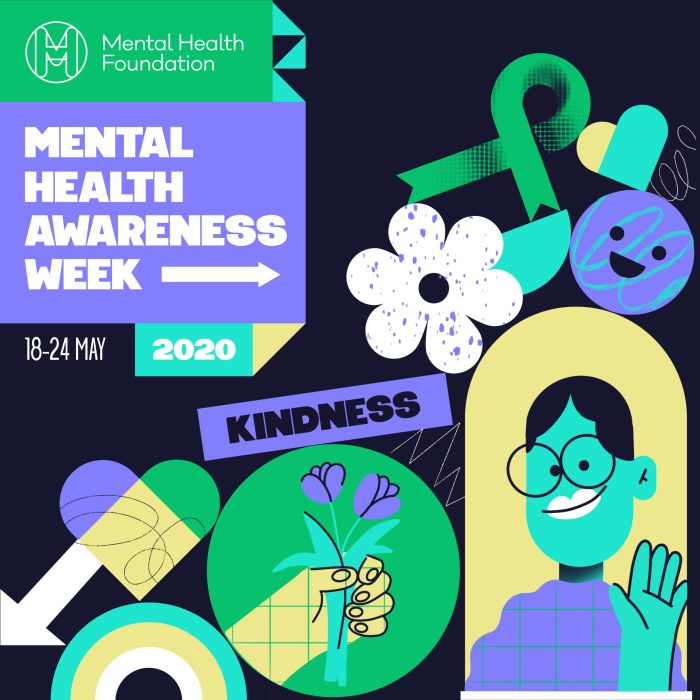
In conclusion, the discussion on mental health awareness campaigns worldwide highlights the importance of addressing mental health on a global scale. From reducing stigma to promoting well-being, these campaigns play a vital role in shaping a healthier future for all.
FAQ Summary
What are some key strategies used in mental health awareness campaigns?
Various strategies such as social media, events, partnerships, and advocacy are commonly used to raise awareness about mental health.
How do mental health campaigns assess their impact?
Methods like measuring awareness levels, attitude change, behavior modification, and policy influence are employed to evaluate the success of these campaigns.
Which target audiences are typically focused on in mental health awareness campaigns?
Target audiences can include youth, elderly individuals, and the LGBTQ+ community, among others, to address specific needs and concerns.